
The Names on Father Gorman’s Paper
The Pale HorseA hurried list turns Father Gorman’s final pastoral visit into an investigative thread that connects secret knowledge, suspicious deaths, and the consumer survey operation.
increasing Bearing strength in each event
 decreasing
Bearing strength in each eventdecreasingNames in the Shoe
A Memorandum Saved
The Dying Woman’s Message
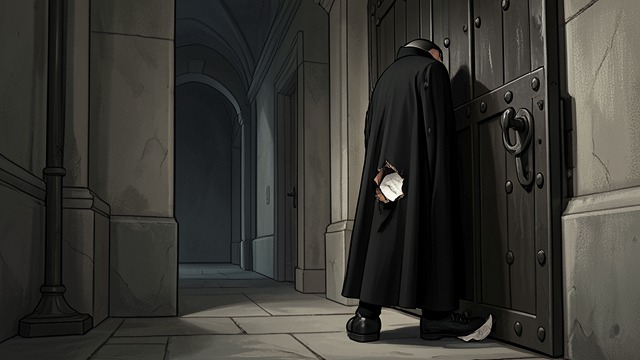
After leaving Mrs Davis, Father Gorman tries to record names before he forgets them. A hole in his cassock pocket forces him to hide the paper in his shoe.
The small practical detail preserves the one clue the killer fails to recover. Its survival gives the police a path into a crime whose victims appear to have died naturally.
The List Recovered
A Clue Without Context
Lejeune’s Problem
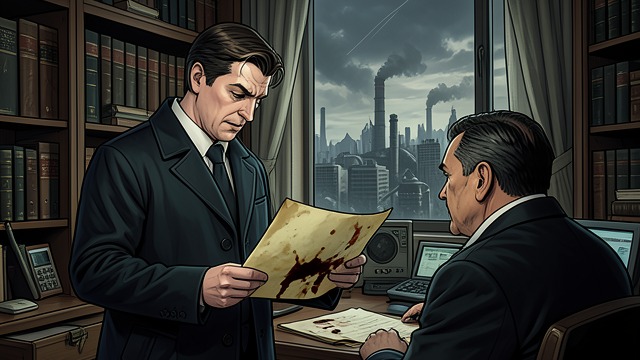
Inspector Lejeune shows Dr Corrigan a list containing names including Tuckerton, Delafontaine, and a doubtful Corrigan. The paper has no addresses or explanation.
The absence of context makes every name ambiguous. Yet the priest’s murder suggests that the list may have mattered enough for someone to kill to recover it.
A Pattern of Deaths
The List Acquires Meaning
Natural Causes
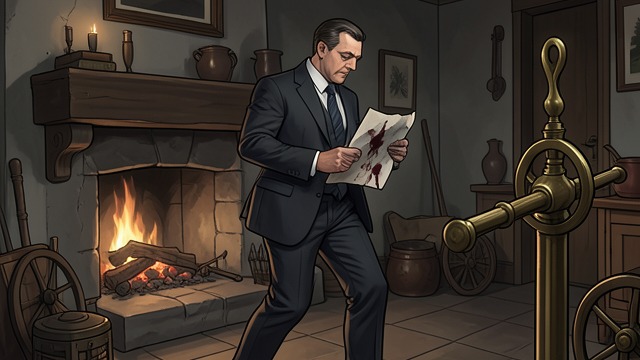
Mark and Corrigan find that several people with matching names have died from apparently ordinary illnesses. Some deaths also brought financial or personal advantages to others.
The pattern is suggestive but not proof. Because the causes look medically familiar, suspicion initially gravitates toward blackmail and inheritance rather than a hidden poison.
The Survey Connection
Names as a Route Map
A Canvasser’s Memory
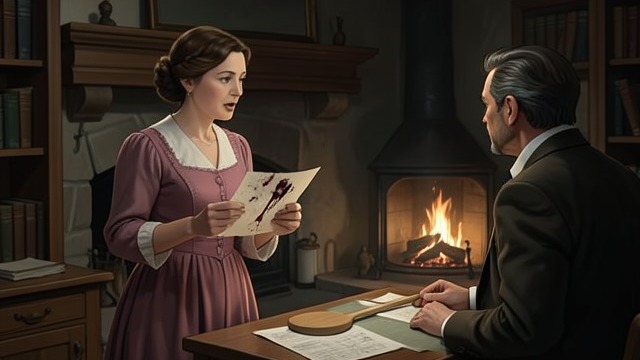
Eileen Brandon recalls that Jessie Davis mentioned an Ormerod who had recently died after appearing healthy. She also remembers Davis’s uneasy joke about feeling like Typhoid Mary.
Lejeune recognizes that the list may record people visited through consumer research. What looked like a roll of mysterious victims begins to resemble a record of targets reached through ordinary household interviews.
The Hidden Targeting System

A List of Survey Visits
From Record to Method
The names correspond to people canvassed about food, remedies, and toiletries. Answers that seemed random could reveal which everyday product an intended victim would use.
This reframes the list as evidence of the operation’s targeting method, not merely a set of people who died. The murder network depended on information gathered by seemingly harmless workers.
October 7, after the visit to Mrs Davis
The morning after the murder
During the first weeks of the inquiry
After Lejeune interviews Eileen Brandon
During Lejeune’s final explanation at Priors Court
